Earplugs are the cheapest meaningful sleep upgrade that exists — a few cents a night to delete traffic, snoring, and thin walls. But not all earplugs survive a full night in a real ear, especially a side sleeper’s. This guide covers NRR ratings, the three main types, and how to pick plugs you’ll actually keep in until morning.
NRR: the one number worth knowing
NRR (Noise Reduction Rating) measures how many decibels a plug blocks in lab conditions — higher is quieter. Foam plugs typically rate 32–33, the highest of the common types. Real-world reduction is lower than the lab number (fit is never perfect), but NRR is still the best apples-to-apples comparison available. For bedroom use, anything 28+ handles most household noise; snoring partners and street traffic argue for 32+.
One caveat: NRR is measured against continuous noise. Sudden sharp sounds (a door slam, a dog bark) still partially get through at any rating — earplugs soften the peaks rather than creating silence. Pairing plugs with a white noise machine covers both continuous and sudden noise better than either alone.
Foam, wax, and silicone: the three types
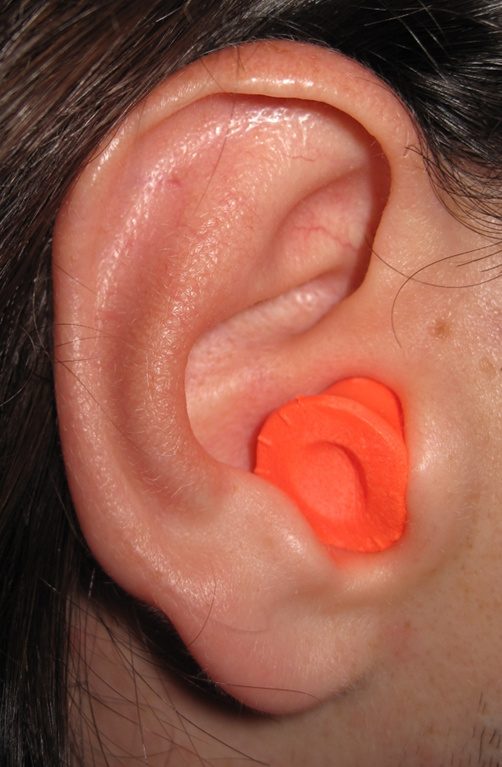
Foam plugs (the classic orange cylinders) expand to fill the ear canal and block the most sound for the least money. Technique matters: roll them thin, pull the ear up and back, insert, and hold while they expand — most “these don’t work” complaints are insertion errors. Downsides: they press outward all night, which side sleepers feel, and they’re disposable (a pair lasts a few nights before losing its seal).
Wax plugs (moldable balls) soften with body heat and seal over the ear opening rather than inside the canal — gentler for side sleepers and sensitive ears, slightly less noise reduction. Silicone putty works the same way and is reusable for weeks. Both are the comfort pick; foam is the maximum-quiet pick.
Comfort for side sleepers and all-night wear
Side sleepers press the plug against the pillow all night, so low-profile matters: wax/silicone that sits flush beats foam cylinders that protrude. If foam is the only thing quiet enough, try the smaller “slim fit” sizes — many people wear plugs too large, and downsizing fixes both comfort and seal.
Hygiene: wash hands before handling, replace foam plugs every few days (they collect earwax and bacteria and lose expansion), and don’t push any plug deeper than comfortable — deep insertion risks impaction and makes removal unpleasant. If you get recurring ear infections or pain, stop and see a doctor rather than trying a fourth brand.
What this guide does not cover
This guide covers sleep earplugs, not hearing protection for concerts, construction, or shooting — those need higher, certified protection and sometimes custom molding. It’s not medical advice for tinnitus, ear infections, or excessive earwax; plugs can aggravate those, so check with a professional. And earplugs don’t replace addressing a genuinely dangerous noise situation — if you can’t hear a smoke alarm with plugs in, that’s a problem to solve, not ignore.
Frequently asked questions
What NRR do I need for sleeping?
28+ handles most bedroom noise; 32–33 (typical foam) is the maximum-quiet tier for snoring partners and street noise.
Are foam or wax earplugs better for side sleepers?
Wax or silicone usually — they sit flush and don’t press into the pillow. Foam blocks more sound but protrudes.
Is it safe to wear earplugs every night?
For most people, yes, with hygiene: clean hands, regular replacement, and no deep insertion. Stop and see a doctor if you get pain, infections, or built-up wax.
Why do my earplugs fall out?
Usually wrong size (try smaller) or wrong insertion (roll thin, pull ear up/back, hold while expanding). Jaw movement during sleep can also work loose plugs — wax types resist this better.
Will I still hear my alarm?
Usually yes — alarms are designed to be piercing, and many people hear them fine through plugs. But test it on a low-stakes morning first, and consider a vibrating alarm as backup if you sleep deeply.