01
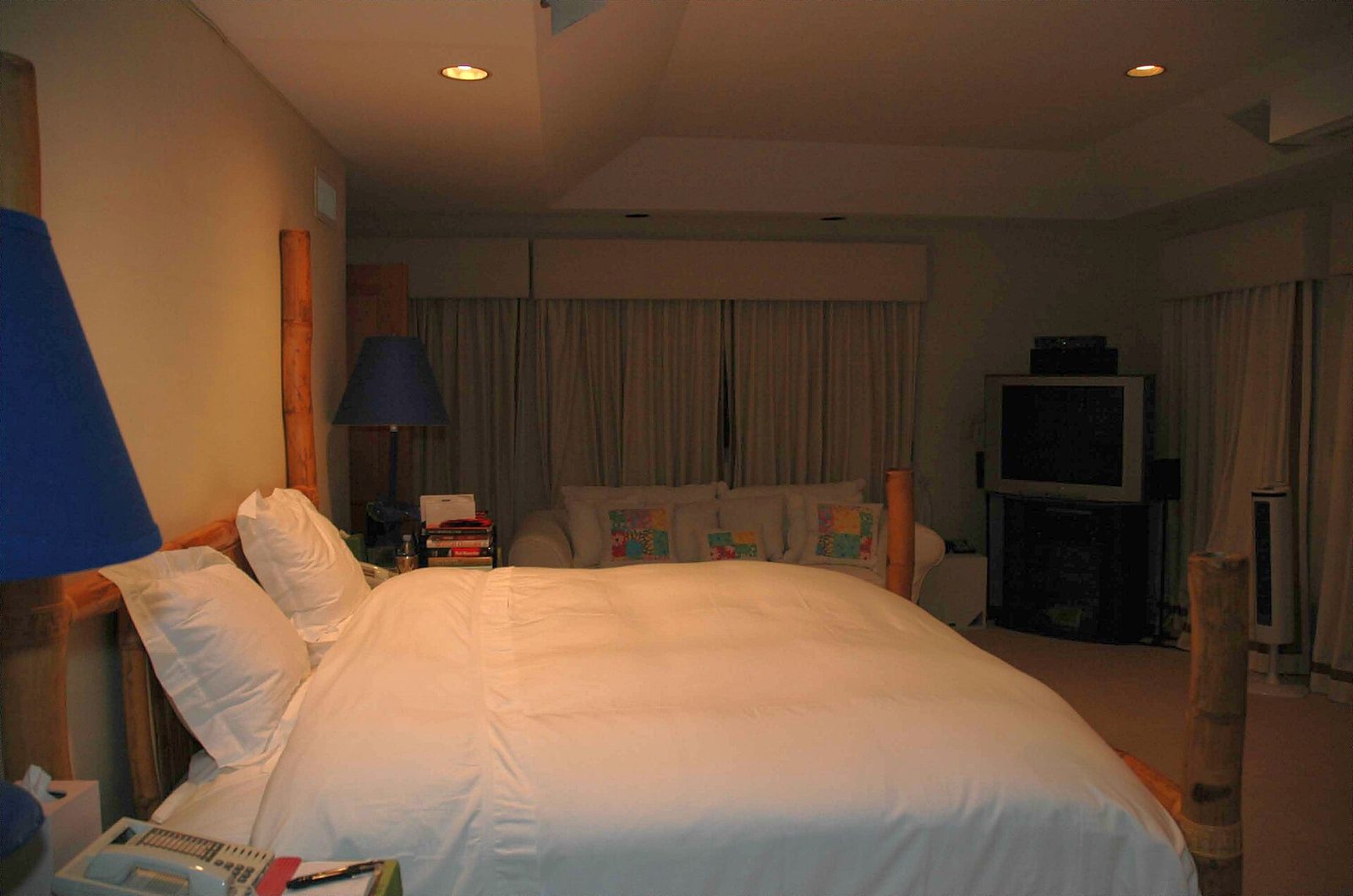
Best mattresses for side sleepers: pressure relief without the sag
Side sleepers need pressure relief at the shoulder and hip without a hammock-like sag — here's how firmness, zoning, and materials actually map to comfort.
Read the guide →Practical, plain-English sleep product guidance — mattresses, pillows, sound machines, blackout curtains, weighted blankets, and sleep trackers for genuinely better rest.
Side sleepers need pressure relief at the shoulder and hip without a hammock-like sag — here's how firmness, zoning, and materials actually map to comfort.
Read the guide →
Loft, firmness, and fill — how to match a pillow to your sleep position and stop waking up with a stiff neck.
Read the guide →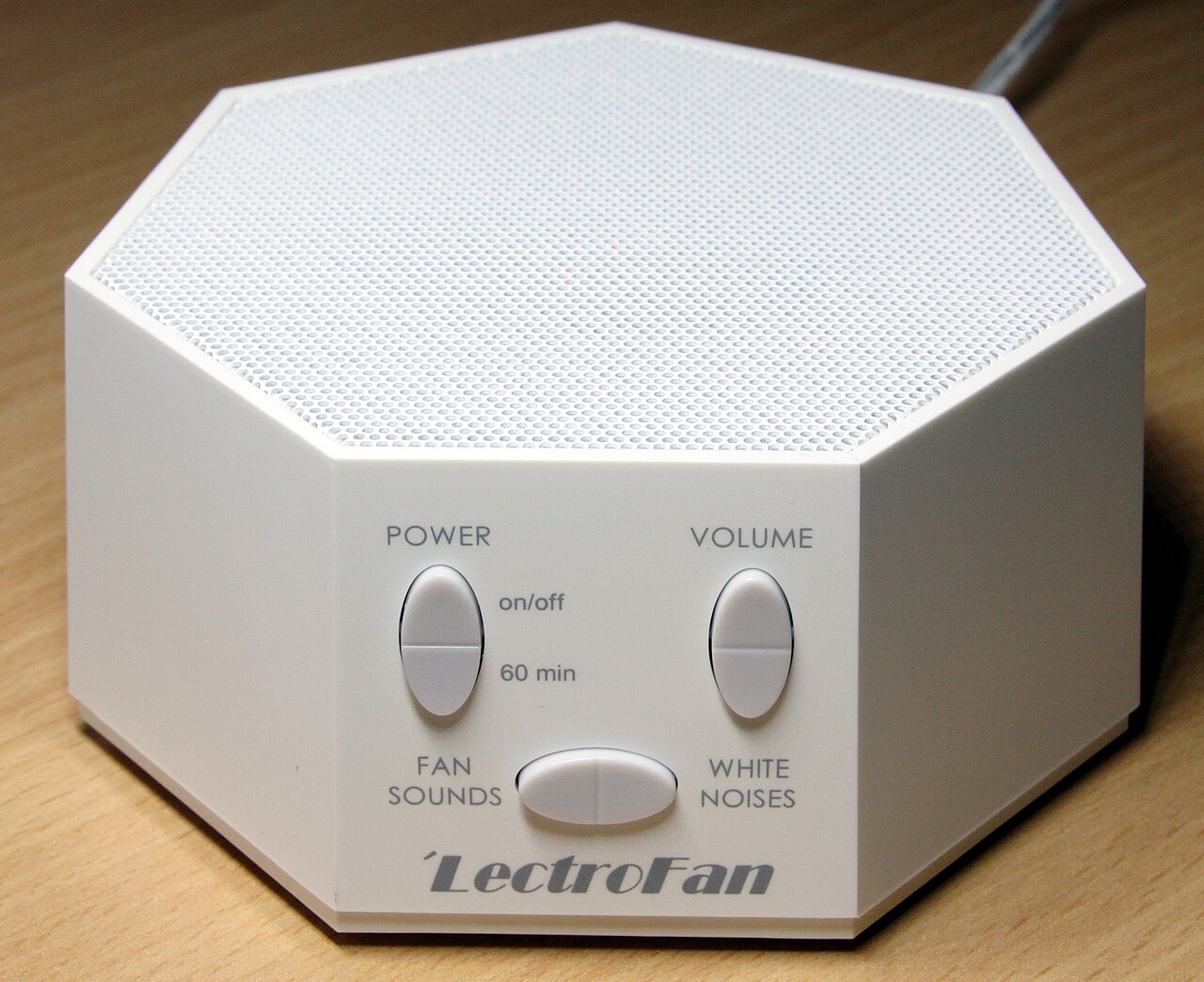
Fan-based vs digital, volume range, and the loop-gap problem — what separates a machine that masks noise from one that becomes the annoyance.
Read the guide →
True blackout vs room-darkening, wraparound rods, and measuring right — how to get real darkness for day sleep or light sensitivity.
Read the guide →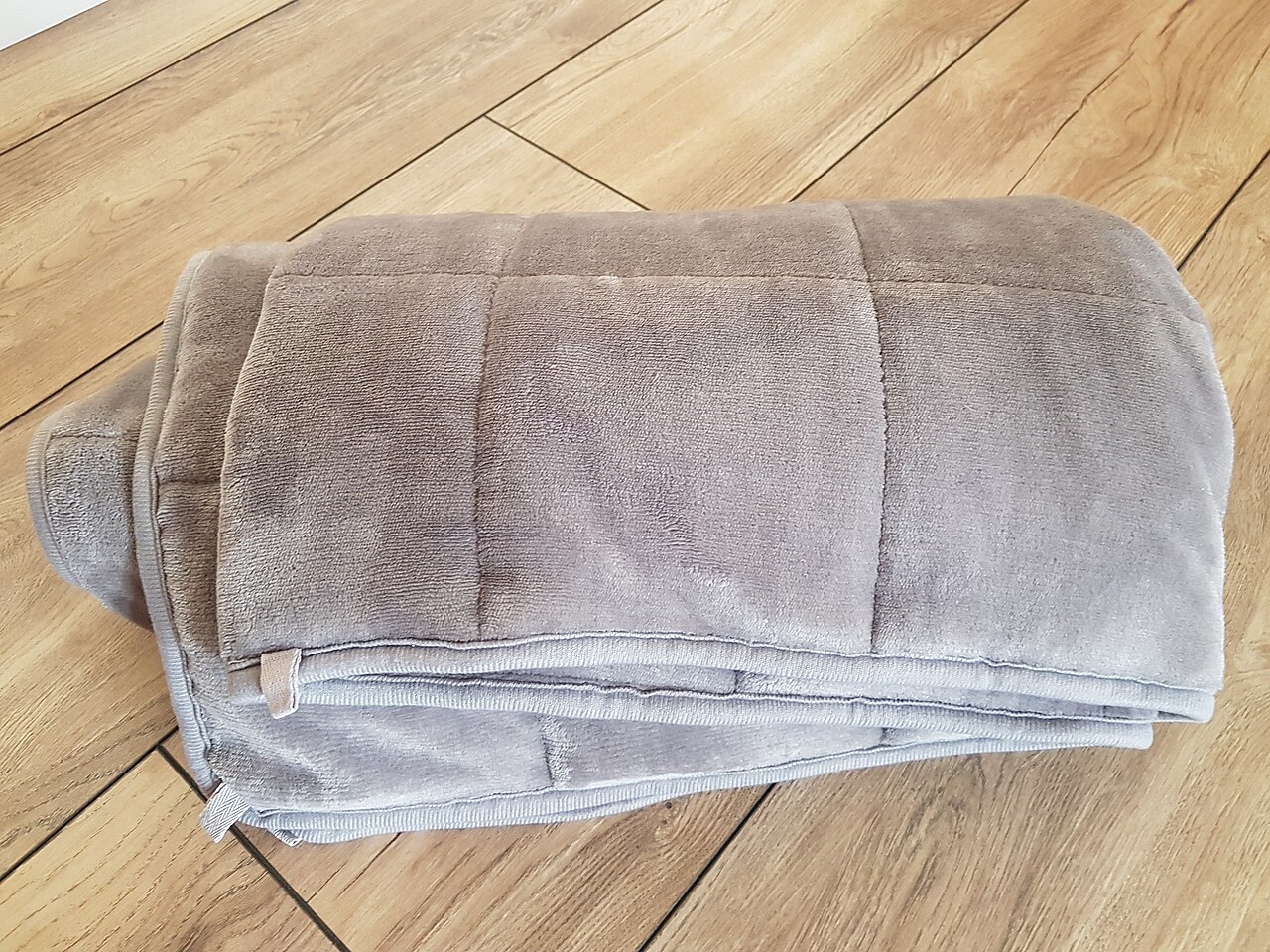
The 10%-of-body-weight rule, breathable fabrics for hot sleepers, and the health conditions that mean you should check with a doctor first.
Read the guide →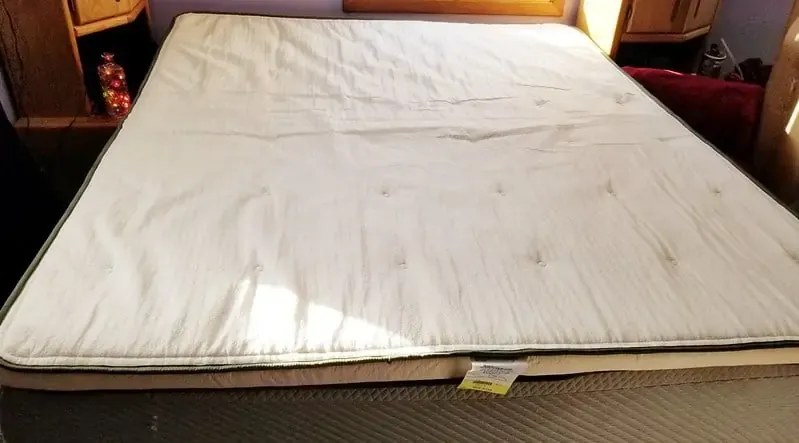
When a topper saves you $1,000 on a new mattress — and when it's just delaying the inevitable. Thickness, density, and materials explained.
Read the guide →
Sleep stages, HRV, and readiness scores — what consumer trackers measure well, what they guess at, and how to use the data without obsessing.
Read the guide →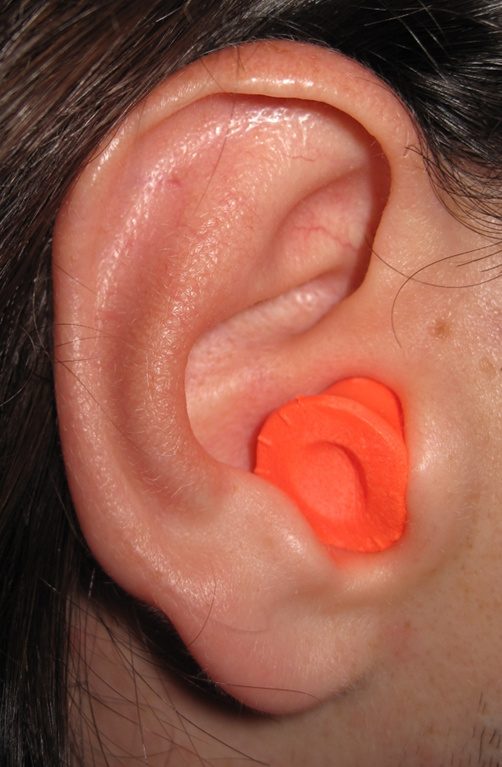
NRR ratings, foam vs wax vs silicone, and comfort for side sleepers — how to pick earplugs you'll actually keep in all night.
Read the guide →
Phase-change covers, ventilated foams, and breathable fills — what actually keeps a pillow cool vs what just sounds cool.
Read the guide →
The highest-impact upgrades in order: what to buy first, what to skip, and how to meaningfully improve your sleep for under $150 total.
Read the guide →Toolkit
Useful picks for this niche. Better nights, honestly reviewed.
The single biggest lever on sleep quality. A medium to medium-firm feel suits most side and combination sleepers; zoned support helps hips without sacrificing shoulder relief. A mattress-in-a-box needs 24–72 hours to fully expand, and the '120-night trial' only helps if you actually sleep on it for a few weeks before judging.
Lets you add or remove fill to dial in loft for your sleep position — the fix for 'too high / too flat' pillow roulette. Shredded memory foam sleeps cooler than solid blocks and suits side sleepers; down-alternative suits stomach sleepers who need less loft. Wash the cover, not the fill.
Masks traffic, snoring, and thin walls with steady sound. Fan-based machines produce real moving air (no audio loop); digital ones offer more sound options but can have a faint repeating loop if the sample is short. A headphone jack or Bluetooth matters if your partner sleeps in silence.
Turns a bright bedroom into a cave. True blackout fabric plus a wraparound rod (or mounting wider than the window) blocks the edge light that 'room darkening' curtains leak. Measure the window plus 4–6 inches per side — undersized panels are the most common regret.
Deep-pressure comfort that helps many people fall asleep faster. The standard guidance is roughly 10% of body weight; breathable glass-bead fills sleep cooler than plastic poly-pellets. Skip it — or check with a doctor first — with sleep apnea, respiratory issues, or claustrophobia.
Buys a sagging mattress another year or two. A 3-inch medium-density memory foam topper adds pressure relief; latex toppers sleep cooler and last longer but cost more. It cannot fix a mattress with deep body impressions or broken springs — that's a replacement, not a topper job.
Shows sleep duration, consistency, and trends in resting heart rate and HRV. Useful for spotting patterns (late caffeine, inconsistent bedtimes); sleep-stage breakdowns are estimates, not lab measurements. Don't chase a perfect 'sleep score' — chase consistent bedtimes.
The cheapest decibel reduction you'll ever buy. Foam plugs with a 32–33 NRR block the most sound but can feel intrusive; moldable wax or silicone sits gentler in the ear for side sleepers. Replace foam pairs regularly — they lose seal as they compress.
For people who flip the pillow to the 'cool side' all night. Phase-change covers and ventilated or shredded fills genuinely dissipate heat better than solid memory foam; breathable cotton or bamboo covers help. No pillow fixes a hot room — pair it with lighter bedding if you sleep very warm.
Dry air irritates throats and noses overnight. A cool-mist ultrasonic humidifier runs quietly and needs no hot steam; pick a tank that lasts the night and clean it weekly — standing water grows things you don't want to breathe. Skip warm-mist models around kids.
As an Amazon Associate, this site earns from qualifying purchases at no extra cost to you. Prices and availability can change. Read the affiliate disclosure.