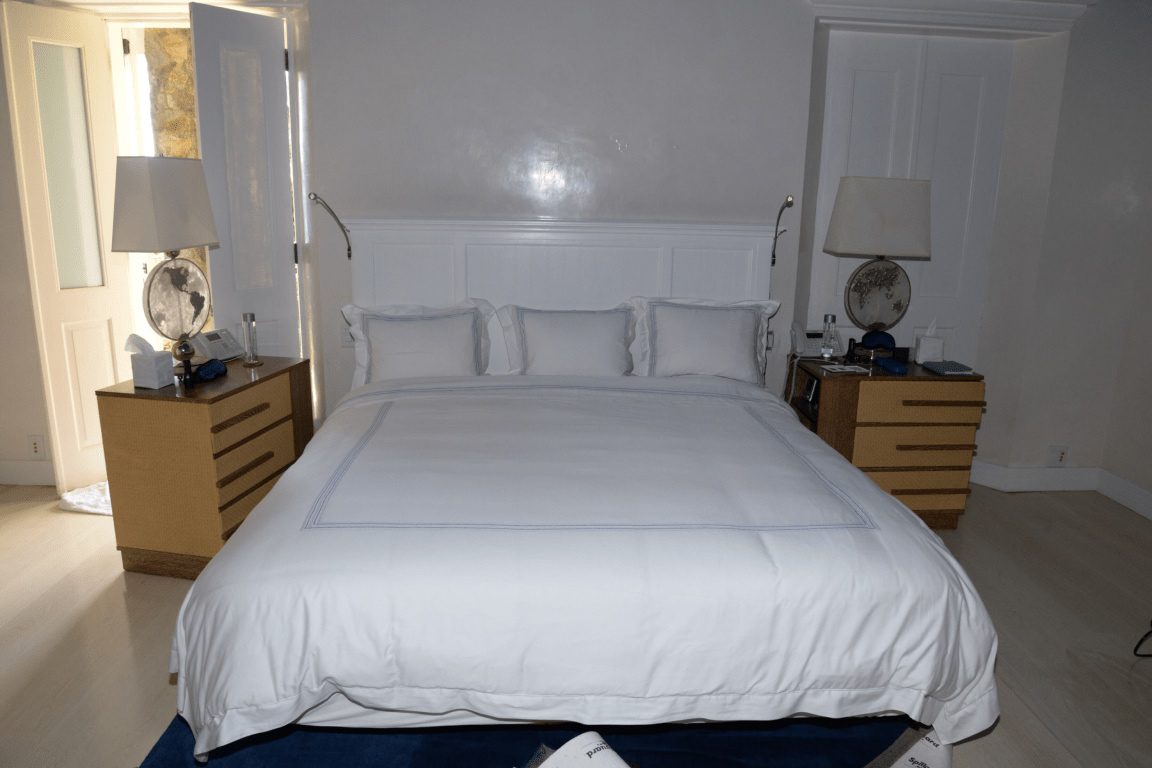
A standard alarm clock does one thing well: it shocks you awake. For a lot of people that jolt sets the tone for a groggy, irritable morning — and there’s decent evidence that waking during deep sleep with a sudden loud alarm makes sleep inertia worse. Sunrise alarm clocks take the opposite approach: a lamp that begins glowing softly 20–40 minutes before your alarm time and gradually brightens to full intensity, easing your body out of sleep the way actual dawn does. This guide covers how they work, which features actually matter, and how to pick one that fits your bedroom and your wake-up time.
Why light wakes you better than sound
Your circadian system is wired to respond to light. Even through closed eyelids, brightening light signals the brain to suppress melatonin and begin the wake-up sequence — raising core body temperature and cortisol in the normal morning pattern. That’s why people tend to wake more easily in summer when dawn arrives before the alarm, and why winter mornings in dark bedrooms feel so much harder.
A sunrise clock reproduces that signal on your schedule. Most users report that they wake before the sound alarm ever fires — the audio becomes a backup rather than the main event. It won’t fix chronic sleep deprivation (nothing but sleep does that), but for people who get enough hours yet still wake up feeling ambushed, the difference is often dramatic. The effect is strongest for people who sleep in dark rooms — which is exactly why sunrise clocks pair so well with real blackout curtains: darkness all night, light exactly when you choose.
One honest limit: the light has to reach your face. If you sleep buried under the covers, facing the wall, or with the lamp across the room behind furniture, the effect weakens a lot. Placement matters more than brand.
Light intensity and color: the specs that matter
The single most important spec is maximum brightness, measured in lux. Cheap sunrise clocks top out around 100–200 lux — a gentle glow, but weak compared to real dawn. Better models reach 300 lux or more, which is roughly the intensity researchers use in light-therapy studies. If you’re a heavy sleeper or your bedroom faces away from natural light, prioritize higher lux; it’s the difference between “nice ambience” and “actually wakes me up.”
Color temperature matters too. The best models shift from a warm red-amber glow (mimicking early dawn) up through warm white to a brighter daylight tone at full intensity. That progression is gentler than jumping straight to cool white. Some budget models only dim a single warm-white LED — still better than a buzzer, but less convincing as a sunrise.
Sunrise duration — how long the light takes to reach full brightness — is usually adjustable from 10 to 60 minutes. Twenty to thirty minutes suits most people; heavy sleepers often do better with 40. If the clock also offers a sunset simulation (light gradually dimming to help you wind down), that’s a genuine bonus for people who struggle to fall asleep, since dimming light in the evening supports natural melatonin release.
Sound options and the backup alarm
Every sunrise clock includes an audio alarm as a safety net, and the quality varies enormously. The good ones offer a menu of gentle sounds — birdsong, soft piano, waves, FM radio — that start quietly and swell. The bad ones offer five tinny beeps. If you know you sleep through gentle sounds, check that the clock has a genuinely loud traditional beep option too; some of the prettiest sunrise lamps max out at a polite chime that heavy sleepers sail right through.
Worth checking before you buy: can the light and sound be set independently? Can you run light-only on weekends and light-plus-sound on workdays? Can you snooze by tapping the top? These small usability details are what separate a clock you love from one that ends up in a drawer. Also confirm the display: a clock face that glows brightly all night defeats the purpose of your blackout setup. Look for an auto-dimming or fully dimmable display.
Size, placement, and the partner question
Sunrise lamps range from compact (about the size of a small speaker) to large statement pieces. Bigger isn’t automatically better — what matters is that the light source sits within a few feet of your head and roughly at face level or above. A nightstand placement works for most people. If your nightstand is on the far side from where your face points, consider that in your choice.
The partner question comes up constantly: will it wake the person next to you? The honest answer is that a brightening room wakes light sleepers, period. But most couples find the gradual light far less disruptive than a blaring alarm, and many partners report that they also start waking more naturally. If your partner is extremely light-sensitive, position the lamp on your side and choose a model with a focused rather than room-flooding glow. Some people combine a sunrise lamp with a vibrating wrist alarm as the truly partner-proof setup.
Power and smarts: most sunrise clocks are mains-powered (fine — they sit on a nightstand anyway). App-controlled models add scheduling flexibility and firmware updates, but a clock with physical buttons is often more reliable at 6 a.m. when you’re half asleep and just want to shut it up. Decide which kind of person you are.
Getting the most out of it: a two-week adjustment plan
Don’t judge a sunrise clock on night one. Your body needs time to learn the new signal, and the first few mornings can feel oddly subtle — many people sleep through the light entirely for the first three or four days. That’s normal. Start with the sunrise duration at 30 minutes and the sound alarm set 10 minutes after the light reaches full brightness, so the light gets first crack at waking you.
In week two, experiment. If you’re consistently waking before the sound, try pushing the sound alarm later or switching it to a gentler tone — the goal is light-led waking with audio as pure backup. If you’re still sleeping through the light, lengthen the sunrise to 40 minutes and nudge the lamp closer to face level. Keep your bedtime consistent during the trial; an irregular schedule fights the very rhythm the lamp is trying to build. And give some thought to your evening light too — bright overheads and screens until midnight blunt the morning effect, since your circadian system can’t tell a coherent dawn story when the “dusk” never happened.
One more tip for couples with different schedules: if one of you rises at 5:30 and the other at 7:30, the earlier riser’s sunrise becomes the later sleeper’s problem. In that situation, a focused-beam lamp aimed at just one pillow, or a vibrating wrist alarm for the early riser plus the sunrise lamp for the later one, keeps the peace better than one room-flooding lamp trying to serve two schedules.
What this guide does not cover
This guide covers dedicated sunrise alarm clocks, not smart bulbs or sunrise routines on voice assistants — those can approximate the effect and are covered in our broader sleep-tech writing. It doesn’t cover light-therapy boxes for seasonal affective disorder, which are a different category (much brighter, used while awake, and worth discussing with a clinician). And it’s not medical advice: if you consistently can’t wake up despite adequate sleep time, or you suspect a sleep disorder like sleep apnea, that deserves professional evaluation rather than a new gadget.
Frequently asked questions
Do sunrise alarm clocks work if I wear a sleep mask?
Not well — the light needs to reach your eyelids. If you depend on a sleep mask for darkness, consider whether you can switch to blackout curtains plus the sunrise lamp instead, so the room is dark all night and bright exactly at wake time.
Will a sunrise clock help with winter blues?
It can help with the specific problem of waking in darkness, which many people find improves morning mood and alertness. For clinical seasonal affective disorder, dedicated bright-light therapy (10,000 lux boxes used while awake) is the studied treatment — a sunrise clock is a complement, not a replacement.
How bright does it need to be?
Around 300 lux at full brightness is a good target for reliably waking most sleepers. Budget models at 100–200 lux still help light sleepers but may not cut it for heavy sleepers in dark rooms.
Can I just use a smart bulb on a schedule instead?
You can approximate the effect with a smart bulb that ramps brightness on a schedule, and it’s a reasonable budget alternative. Dedicated sunrise clocks do it better: smoother ramping, color-temperature progression from amber to daylight, and an integrated backup alarm in one device.
Do they work for night-shift workers?
Yes — arguably they work best for shift workers, because a sunrise clock creates an artificial dawn at 4 p.m. or whenever your “morning” is. Pair it with blackout curtains for the daytime sleep itself and you’ve built a complete artificial day-night cycle.