Sleep trackers promise to decode your nights — stages, scores, readiness, recovery. Some of what they report is genuinely useful; some of it is an educated guess dressed up as a lab result. This guide explains what consumer trackers measure well, where they bluff, and how to use the data to sleep better instead of stressing about a number.
What trackers actually measure
Strip away the marketing and most trackers measure three things directly: movement (accelerometer), heart rate and heart-rate variability (optical PPG sensor), and sometimes blood oxygen, skin temperature, or ambient sound. Everything else — sleep stages, “sleep score,” readiness, recovery — is inferred from those signals by algorithm. That inference is the entire product, and its quality varies enormously.
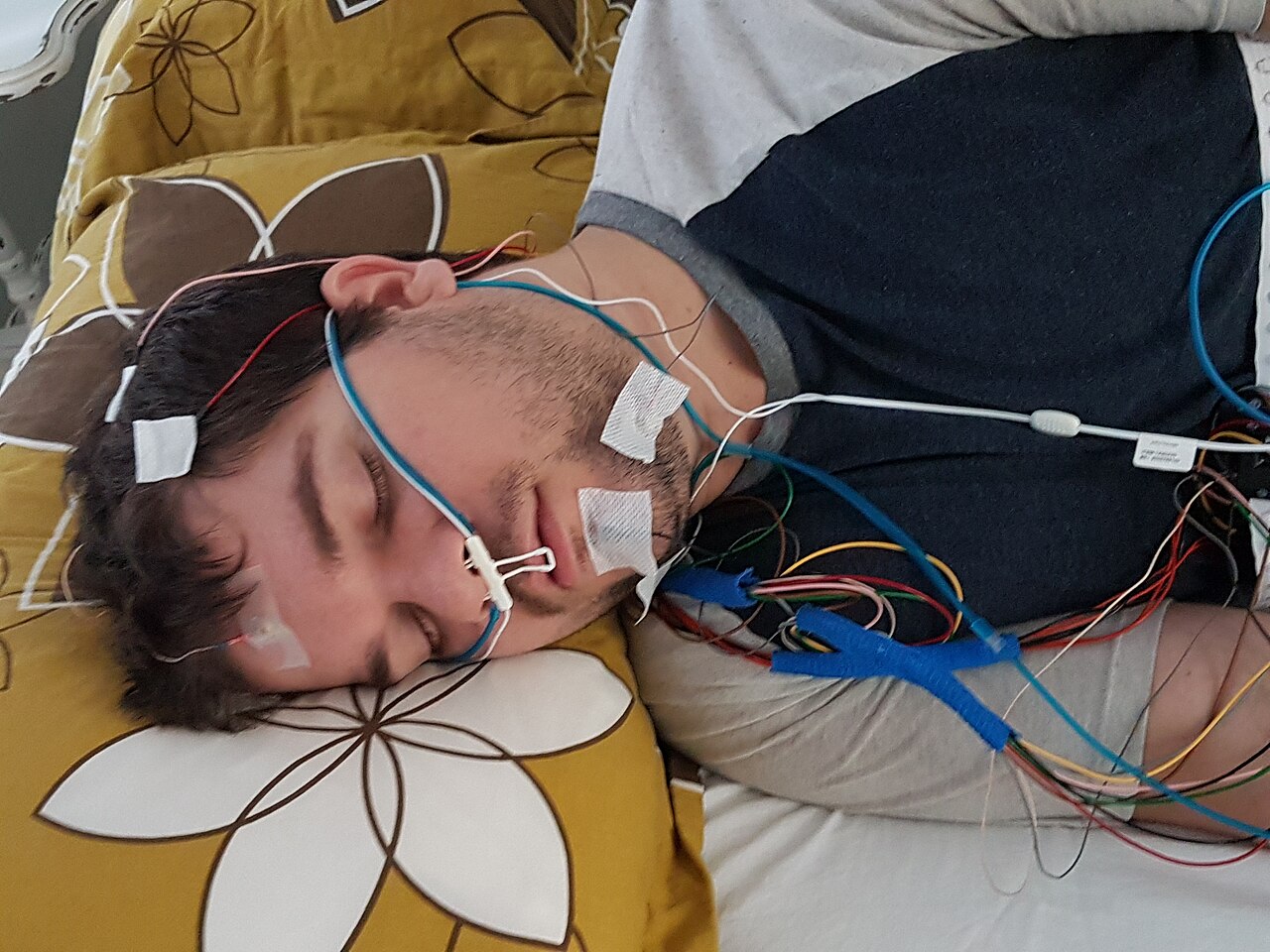
What’s solid: total sleep time, bedtime/wake consistency, resting heart rate trends, and HRV trends. These come mostly from direct measurement and are genuinely useful. What’s shaky: precise sleep-stage breakdowns (consumer trackers agree with lab polysomnography only moderately — roughly, not precisely), and any single-night “score,” which compresses a complex night into a gamified number.
The form-factor choice: wrist, ring, or under-mattress
Wrist trackers (smartwatches, bands) are the most capable — continuous heart rate, HRV, SpO2, and daytime activity in one device — but some people hate sleeping with something on their wrist, and nightly charging is a chore with some models. Rings are the comfort winner: unobtrusive, multi-day battery, excellent for sleep-focused tracking, but no screen and limited daytime fitness features.
Under-mattress sensors and bedside devices track without wearing anything, which suits people who won’t wear tech to bed. They’re good at duration and restlessness, weaker at heart-rate detail, and can struggle with partners (two bodies, one sensor — check dual-sleeper support). Pick the form you’ll actually use every night; the best algorithm in the world is useless in a drawer.
How to use the data without ruining your sleep
The healthy way to use a tracker: watch trends, not nights. Is your average bedtime drifting later? Does your resting heart rate run higher after late alcohol or heavy evening meals? Those patterns are actionable and real. The unhealthy way: waking up, checking a score, and deciding you slept badly — a phenomenon sleep researchers have a name for (orthosomnia), where chasing perfect metrics creates the anxiety that wrecks sleep.
Give any new tracker 2–4 weeks before drawing conclusions; the baseline matters more than any individual reading. And remember what no tracker measures: how you actually feel. If you wake refreshed on an 82 night and groggy on a 94 night, trust the mornings.
What this guide does not cover
This guide is about consumer wellness tracking, not medical diagnosis. Trackers cannot diagnose sleep apnea, insomnia, or any sleep disorder — if you snore heavily, gasp awake, or are exhausted despite full nights, see a sleep specialist. It also doesn’t cover the privacy tradeoffs of 24/7 biometric data collection; read the privacy policy of any device you strap on, because that data is valuable and you should know where it goes.
Frequently asked questions
How accurate are sleep trackers?
Good at duration and consistency, decent at heart-rate trends, approximate at sleep stages. Treat stage breakdowns and single-night scores as estimates, not lab results.
Do I need a subscription for sleep tracking?
Depends on the device. Some include full insights free; others put detailed analysis behind a monthly subscription — check before buying, because it changes the real cost.
Ring, watch, or under-mattress sensor?
Rings win on comfort, watches on capability, under-mattress on wearability. The right one is the one you’ll use every night for months.
Can a sleep tracker help me sleep better?
Indirectly — by revealing patterns (late bedtimes, alcohol effects, inconsistent schedules) you can act on. The tracker doesn’t improve sleep; the behavior changes it prompts do.
What is orthosomnia?
An unhealthy preoccupation with perfect sleep-tracker data — stressing about scores to the point that the stress itself harms sleep. If your tracker is making you anxious, the healthiest move is to stop checking it daily.