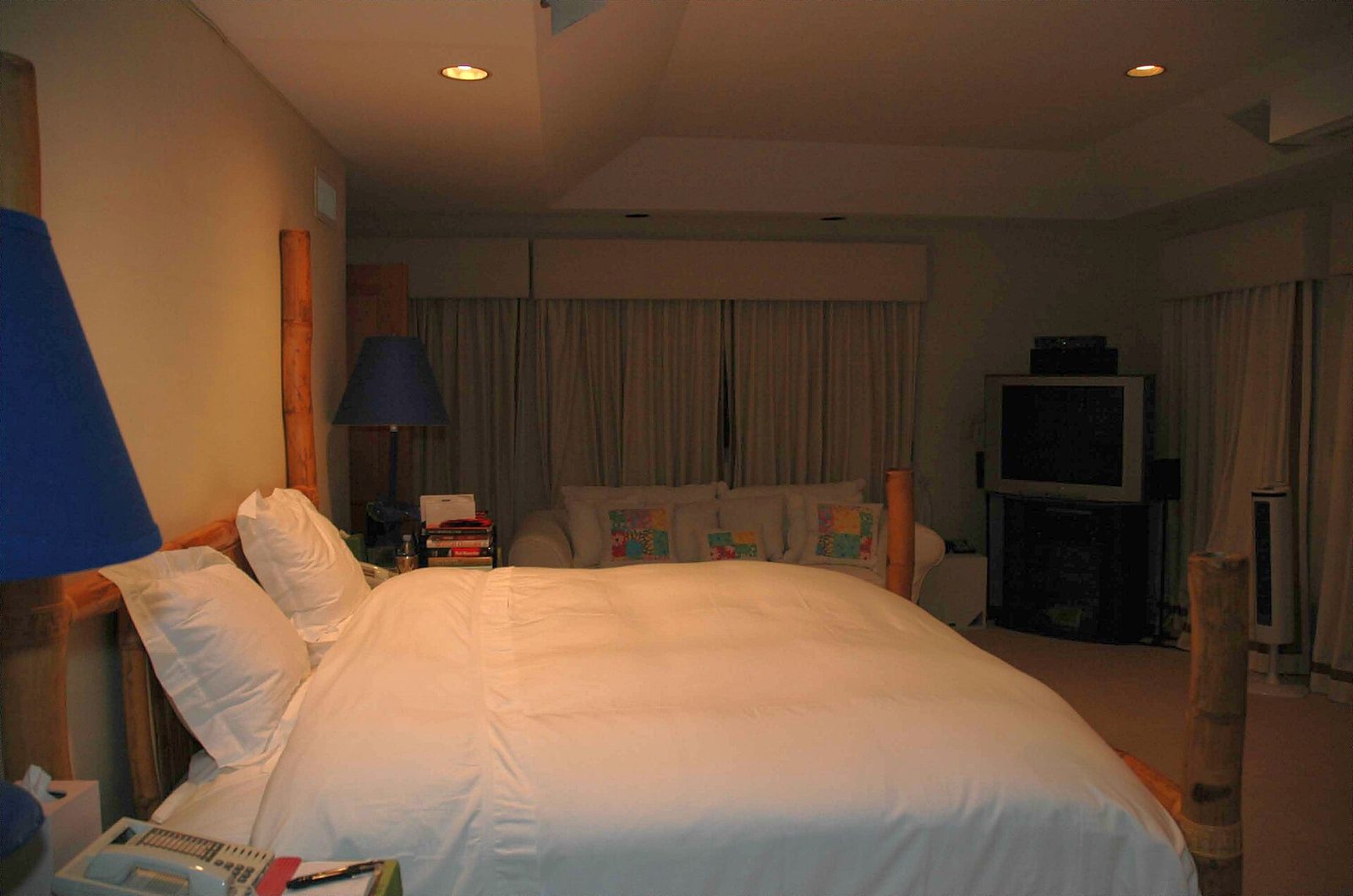
You can have the perfect mattress, blackout curtains, and a solid bedtime — and still wake up at 3 a.m. with a scratchy throat, a stuffy nose, and static crackling off the sheets. The culprit is often dry air. Winter heating and year-round air conditioning both strip moisture from indoor air, and bedrooms run driest exactly when you are trying to sleep in them. A bedroom humidifier fixes the air itself. This guide covers why humidity matters for sleep, which humidifier type suits a bedroom, the specs that separate quiet workhorses from gurgling disappointments, and the cleaning routine that keeps the whole thing safe.
Why bedroom humidity matters for sleep
The comfort zone for indoor air is roughly 40–60% relative humidity. Below 30%, mucous membranes dry out — that is the scratchy throat, the congested-but-dry nose, the irritated eyes, and the coughing that fragments sleep. Dry air also worsens snoring (dried nasal passages narrow the airway), dries skin and lips overnight, increases static shocks, and can aggravate eczema and allergies. If you wake up congested every winter morning and feel fine by noon, low bedroom humidity is a prime suspect.
The bedroom is where it hits hardest because you spend seven to nine hours breathing the same air, and because heating systems work hardest overnight in winter — exactly when indoor humidity bottoms out. A $10 hygrometer on the nightstand tells you where you stand; many people are surprised to find their bedroom sitting at 20–25% in January. Above 60%, though, you invite the opposite problems: dust mites thrive, condensation forms on windows, and mold risk climbs. The goal is the middle of the range, not maximum moisture.
Cool-mist vs. warm-mist vs. ultrasonic: the bedroom pick
Cool-mist evaporative humidifiers blow air through a wet wick filter. They are self-regulating — output naturally slows as room humidity rises — and there is no burn risk. Downsides: the wick filter needs regular replacement (an ongoing cost), and the fan produces a steady hum that light sleepers may notice.
Warm-mist (steam) humidifiers boil water and release steam. The boiling kills most microbes in the tank, which sounds reassuring, but they use significantly more electricity, the steam is a burn hazard (a real consideration with kids or pets), and they slightly warm the room — the opposite of what most sleepers want.
Cool-mist ultrasonic humidifiers vibrate water into a fine mist with near-silent operation — no fan, no boiling. This is the bedroom pick for most people: whisper-quiet, energy-efficient, and safe to touch. The honest trade-offs: they can leave a fine white dust on furniture if your tap water is hard (minerals in the mist), and because nothing is heated or filtered, tank hygiene depends entirely on your cleaning routine.
Bottom line for sleep: a cool-mist ultrasonic model with a large tank is the default right answer. Choose evaporative if you want self-regulating output and do not mind filter replacements and fan noise. Skip warm-mist for bedrooms unless you specifically want the germ-killing boil — the energy use and burn risk rarely justify it for sleep.
Specs that matter more than brand names
Noise level: the bedroom spec that matters most. Look for models rated under 30 dB on low — roughly a whisper — and check reviews specifically for gurgling, bubbling, and clicking sounds, which spec sheets never mention. Ultrasonic models are inherently quieter than fan-based evaporative ones. If you are a light sleeper, this spec outranks everything else.
Tank size and runtime: a bedroom humidifier should run all night without a refill. For a typical bedroom, a 4–6 liter (1–1.5 gallon) tank delivers 24–40 hours on low — fill it in the evening and forget it. Small "personal" humidifiers with 1-liter tanks need refilling mid-night, which defeats the purpose. Top-fill tanks are dramatically easier to live with than bottom-fill designs that require flipping and unscrewing.
Built-in humidistat and auto shut-off: a humidistat lets you set a target (say, 45%) and have the unit cycle itself — this prevents the over-humidification that feeds dust mites and window condensation. Auto shut-off when the tank empties is a safety essential, not a bonus feature.
Ease of cleaning: you will clean this weekly, so the design matters enormously. Wide tank openings you can fit a hand or brush into, minimal crevices, and dishwasher-safe parts separate the humidifiers people keep using from the ones abandoned in a closet by March. If you cannot easily reach every interior surface, you will not clean it properly — be honest about that when shopping.
The cleaning routine that keeps it safe
Here is the part most humidifier marketing skips: a dirty humidifier mists bacteria and mold into the air you breathe all night. The routine that prevents it is simple but non-negotiable. Daily: empty the tank, rinse it, and refill with fresh water — standing water is where biofilm starts. Weekly: deep-clean with a 50/50 white vinegar soak for 30 minutes to dissolve mineral scale, scrub all surfaces with a soft brush, rinse thoroughly, and let every part air-dry completely. Monthly: disinfect with a diluted bleach solution (a teaspoon per gallon) or hydrogen peroxide, then rinse until no odor remains.
Two more rules: use distilled or demineralized water if your tap water is hard — it eliminates the white dust problem and slows scale buildup dramatically. And never let water sit in the tank for days unused; if you are skipping a night, empty it and leave it open to dry. A humidifier you will not clean is worse than no humidifier — buy the model whose cleaning routine you will actually follow.
Measuring first: the $10 step everyone skips
Before buying anything, measure. A small digital hygrometer on the nightstand costs about $10 and tells you whether you actually have a humidity problem — and later, whether the humidifier is working. Check readings morning and evening for a few days; bedrooms often swing 15–20 points between afternoon and the coldest overnight hours. If you are consistently under 30%, a humidifier will likely help. If you are already at 45–55%, your sleep problem is elsewhere — save the money and look at sound, light, or temperature instead.
Placement matters once you buy: put the humidifier a few feet from the bed, elevated on a nightstand or dresser rather than the floor (mist rises and disperses better), and away from walls and electronics — ultrasonic mist can dampen surfaces it lands on directly. Keep the hygrometer on the opposite side of the room from the humidifier so you are measuring room air, not the mist plume.
What this guide does not cover
This covers portable bedroom humidifiers for sleep — not whole-house humidifiers integrated with HVAC (a different purchase, usually installed by an HVAC contractor), and not dehumidifiers, which solve the opposite problem. It is not medical advice: if you have asthma, chronic bronchitis, or a diagnosed sleep disorder, talk to your clinician about target humidity — the 40–60% general guidance has individual exceptions, and a humidifier is a comfort tool, not a treatment.
Frequently asked questions
Can a humidifier make sleep worse?
Yes, if humidity climbs too high — over 60% encourages dust mites and mold, both bad for sleep and breathing. That is why a built-in humidistat (or a separate hygrometer plus discipline) matters. Set a target around 45% and let the unit cycle.
Is the white dust from ultrasonic humidifiers harmful?
It is mineral dust from hard tap water — generally considered a nuisance rather than a hazard, but it settles on everything and can irritate sensitive airways. Switching to distilled or demineralized water eliminates it completely.
How close to the bed should the humidifier sit?
A few feet away, elevated — nightstand or dresser height. Too close and the mist dampens bedding; on the floor in a corner and the far side of the room sees little benefit. Opposite-side hygrometer placement keeps your readings honest.
Do I need to run it year-round?
Usually not. Most people need it in winter (heating season) and in heavily air-conditioned summers — whenever indoor humidity drops under 30%. In mild, humid seasons, turn it off, empty it, and let it dry completely before storing.
Ultrasonic vs. evaporative for a baby’s room?
Cool-mist is the safe choice either way (no burn risk, unlike warm-mist). Ultrasonic is quieter, which matters for naps; evaporative is self-regulating against over-humidifying. Either works — pick based on which cleaning routine you will actually follow, because nursery hygiene standards are higher, not lower.