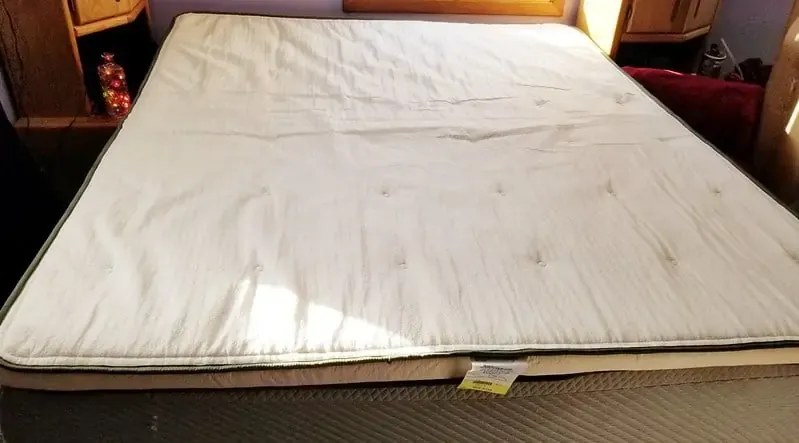
A mattress is the most expensive thing in most bedrooms, and it’s also nearly impossible to clean. One spilled coffee, one sick kid, one pet accident, and a $1,500 mattress carries the evidence forever — along with, in many cases, a voided warranty. A waterproof mattress protector is the cheapest insurance in the sleep world: twenty to sixty dollars to defend a four-figure purchase. But the category has a bad reputation earned by decades of crinkly, sweaty vinyl covers. Modern protectors are a different product entirely. This guide covers what to buy so you forget it’s even there.
Why you need one: warranties, spills, and biology
The warranty argument alone justifies a protector. Most mattress warranties explicitly exclude stains — and manufacturers will check. A stained mattress with a sagging complaint gets denied, because the stain voids the coverage regardless of whether it caused the sag. A protector is the difference between a valid 10-year warranty and an expensive lesson.
Beyond warranties, mattresses are biology sponges. Over years, an unprotected mattress accumulates sweat, skin cells, dust mites feeding on those skin cells, and their waste — the actual allergen in “dust mite allergy.” A waterproof, allergen-barrier protector doesn’t just guard against dramatic spills; it meaningfully reduces the allergen load you breathe for eight hours a night. Allergy sufferers often notice the difference within weeks.
And then there’s real life: kids, pets, coffee in bed, the occasional nosebleed. A protector turns a potential mattress replacement into a laundry load. If any of those apply to your household, this isn’t optional gear — it’s the first accessory to buy with any new mattress, ideally the same day the mattress arrives.
TPU vs vinyl: the material that decides everything
Waterproofing comes from a thin membrane laminated to fabric, and the membrane material determines whether the protector feels invisible or awful. TPU (thermoplastic polyurethane) is the modern standard: thin, flexible, quiet, and breathable enough that it doesn’t trap heat. A good TPU protector adds no perceptible crinkle and minimal warmth. This is what you want.
Vinyl (PVC) is the old technology — the crinkly plastic sheet of memory. It’s fully waterproof and very cheap, but it’s noisy, sleeps hot, feels like a shower curtain, and can off-gas that unmistakable plastic smell. Some vinyl protectors also contain phthalates, which you don’t want against your skin nightly. There is no price at which vinyl beats TPU for nightly adult use; vinyl’s remaining niche is short-term or institutional use where cost is the only variable.
One step up from standard TPU: protectors marketed as “cooling” typically pair the TPU membrane with a phase-change or performance-fabric top. They help at the margins for hot sleepers, but the membrane itself is still the main heat variable — and TPU is already dramatically better than vinyl. Don’t pay a large premium for cooling marketing on a protector; spend that money on cooling sheets instead, where the fabric choice matters more.
Fitted vs encasement: how much mattress to cover
Fitted-style protectors work like a fitted sheet: they cover the top and sides with elastic gripping the bottom. They’re easy to remove and wash, don’t change the feel of the mattress, and handle the vast majority of real-world threats (spills land on top). For most people, fitted is the right answer.
Encasements zip around all six sides of the mattress like a body bag for your bed. They’re the right call for three situations: active bed-bug prevention or treatment (a quality encasement with a bed-bug-proof zipper is part of the standard protocol), severe allergies (total barrier against the mite colony living inside the mattress), and incontinence or pets that might reach the sides and underside. The tradeoffs: they’re harder to remove for washing, they can slightly change the feel of the mattress edges, and cheap ones have zippers that fail.
Whichever style you choose, fit matters enormously. Measure your mattress depth including any topper — a 12-inch mattress plus a 3-inch topper needs a 15-inch pocket. A protector that’s too shallow pops off corners; one that’s too deep bunches and wrinkles under you. Look for deep pockets with full-perimeter elastic rather than corner-only elastic, which fatigues faster.
Noise, heat, and the “forget it’s there” test
The ultimate quality test for a protector is simple: after a week, you should forget it exists. Two things break the illusion. Noise: cheap membranes crinkle when you move. TPU is inherently quiet, but thin or poorly laminated TPU can still rustle — this is the single most common complaint in reviews, so scan for the words “crinkle” and “noise” before buying. Heat: any waterproof membrane breathes less than bare fabric. Good TPU minimizes this; vinyl maximizes it. Hot sleepers should treat the protector as part of their cooling stack and pair it with breathable sheets.
The top fabric matters too. Cotton-terry tops are the classic: soft, absorbent, quiet. Bamboo tops feel silkier and wick better. Smooth microfiber tops are the budget option — fine, but less pleasant. Whatever the top, it should be quilted or bonded smoothly to the membrane; loose layers shift and bunch.
Washing: most TPU protectors are machine-washable and tumble-dry-safe on low, which is the whole point — the protector takes the hit so the mattress doesn’t. Wash it every few months (more often with kids or pets), and never use high heat or bleach, which degrade the membrane. A protector that can’t survive its own washing instructions is a disposable product wearing a premium price.
Kids, pets, and guest rooms: protectors beyond the master bedroom
The master bedroom gets the attention, but the highest-risk mattresses in the house are the kids’ beds. Bedwetting, stomach bugs, and art projects with markers all find mattresses eventually, and kids’ mattresses get replaced less often — meaning stains have years to set. A quiet TPU protector on every kid’s bed is one of the highest-value purchases in this entire guide. For active bedwetting, layer it: protector, then a washable absorbent pad on top, so nighttime accidents mean changing a pad, not stripping the bed at 3 a.m.
Pet owners face a different threat profile: claws, drool, muddy paws, and the occasional hairball. A protector won’t stop a determined digger’s claws from testing the fabric, so look for a thicker terry top that resists snagging, and accept that pet beds may need replacing more often — still far cheaper than replacing mattresses. For severe allergy households, remember the encasement option: it seals the mattress’s existing dust-mite population away from the allergic sleeper, which a fitted protector can’t fully do.
Guest rooms deserve protectors for a simpler reason: you don’t know your guests’ habits, and discovering a stained guest mattress is an awkward conversation nobody wants. A protector there is hospitality insurance — invisible to the guest, invaluable to the host. Buy the same quiet TPU style you’d use yourself; guests notice crinkly protectors immediately and judge silently.
What this guide does not cover
This guide covers waterproof protectors for standard home mattresses, not hospital-grade incontinence products, crib mattress protectors (different safety standards apply — follow pediatric guidance), or bed-bug treatment protocols beyond noting that encasements are part of them. It also doesn’t cover mattress warranties in detail — read yours, because stain exclusions and required foundation types vary. And if you’re shopping for the comfort layer itself rather than protection, see our mattress topper guide.
Frequently asked questions
Do waterproof mattress protectors make you sweat?
Vinyl ones, absolutely. Modern TPU protectors breathe far better and most people notice no difference — but they’re still less breathable than bare fabric, so hot sleepers should pair them with cooling sheets and treat them as one layer in a cooling stack.
Will a protector change how my mattress feels?
A good fitted TPU protector adds a barely perceptible layer — most people can’t feel it. Thick quilted protectors and full encasements can slightly firm up the surface feel. If your mattress feel is dialed in exactly, choose the thinnest quality TPU protector you can find.
Fitted or encasement — which do I need?
Fitted for spills, pets, kids, and warranty protection — that covers most households. Encasement for bed-bug prevention, severe dust-mite allergy, or situations where the sides and underside need protection too.
How often should I wash a mattress protector?
Every two to three months for normal use, monthly with kids or pets, and immediately after any spill or accident. Machine wash warm, tumble dry low — high heat damages the waterproof membrane.
Does a protector really protect the warranty?
It protects the stain exclusion part of the warranty, which is the most common reason claims are denied. It doesn’t override other exclusions (wrong foundation, normal softening), so still read your warranty terms.